Archives
- 2026-04
- 2026-03
- 2026-02
- 2026-01
- 2025-12
- 2025-11
- 2025-10
- 2023-07
- 2023-06
- 2023-05
- 2023-04
- 2023-03
- 2023-02
- 2023-01
- 2022-12
- 2022-11
- 2022-10
- 2022-09
- 2022-08
- 2022-07
- 2022-06
- 2022-05
- 2022-04
- 2022-03
- 2022-02
- 2022-01
- 2021-12
- 2021-11
- 2021-10
- 2021-09
- 2021-08
- 2021-07
- 2021-06
- 2021-05
- 2021-04
- 2021-03
- 2021-02
- 2021-01
- 2020-12
- 2020-11
- 2020-10
- 2020-09
- 2020-08
- 2020-07
- 2020-06
- 2020-05
- 2020-04
- 2020-03
- 2020-02
- 2020-01
- 2019-12
- 2019-11
- 2019-10
- 2019-09
- 2019-08
- 2019-07
- 2019-06
- 2019-05
- 2019-04
- 2018-07
-
To meet the requirement of ferroptosis based therapy
2022-01-03
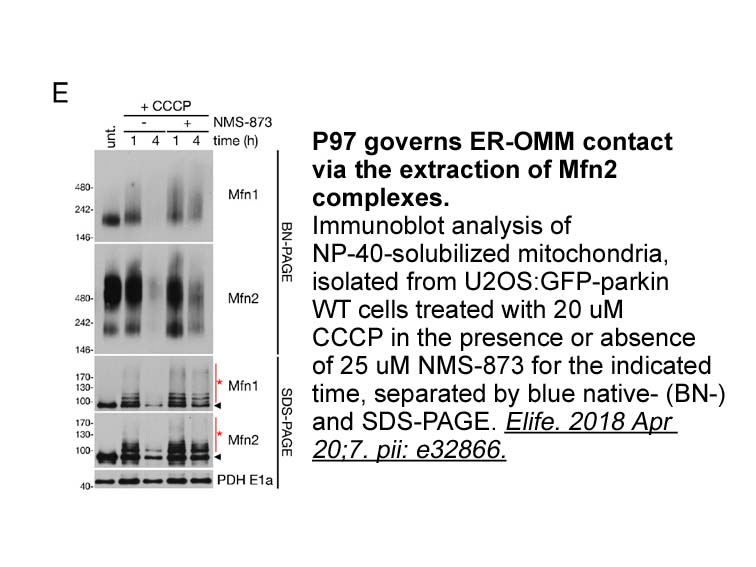
To meet the requirement of ferroptosis-based therapy, a couple of small molecule drugs and nanomaterials were introduced to the design of ferroptosis inducers, separately. As we know, iron is a key regulator of ferroptosis. When small molecule drugs are employed to induce ferroptosis, the endogenous
-
This SAR work led to the identification
2022-01-03
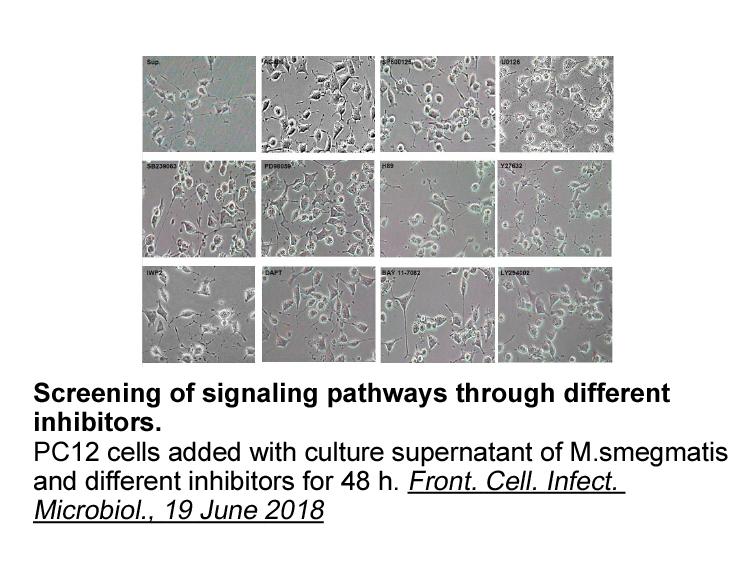
This SAR work led to the identification of compound 10r ((±)-2-[3-fluoro-4-[3-(hexylcarbamoyloxy)phenyl]phenyl]propanoic acid, ARN2508) [51] as a potent in vivo active inhibitor of intracellular FAAH and COX activities, which exerts profound anti-inflammatory effects in mouse models of IBD without c
-
Together the epigenetic interplay revealed in this
2022-01-03
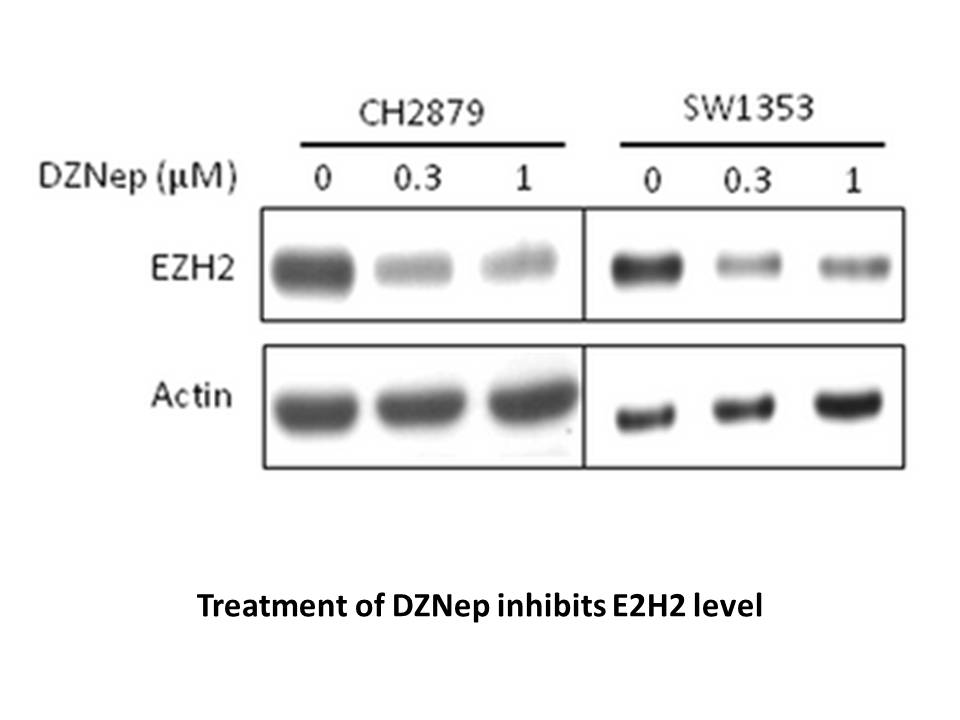
Together, the epigenetic interplay revealed in this study enabled us to expand the therapeutic potential of EZH2is from hematological malignances to solid tumors. In solid tumors, EZH2i-driven transcriptional changes are shown to be dispensable of H3K27me-regulated transcriptional network. Instead,
-
MK cyclobutylpiperidin yl oxyphenyl methyl
2022-01-03
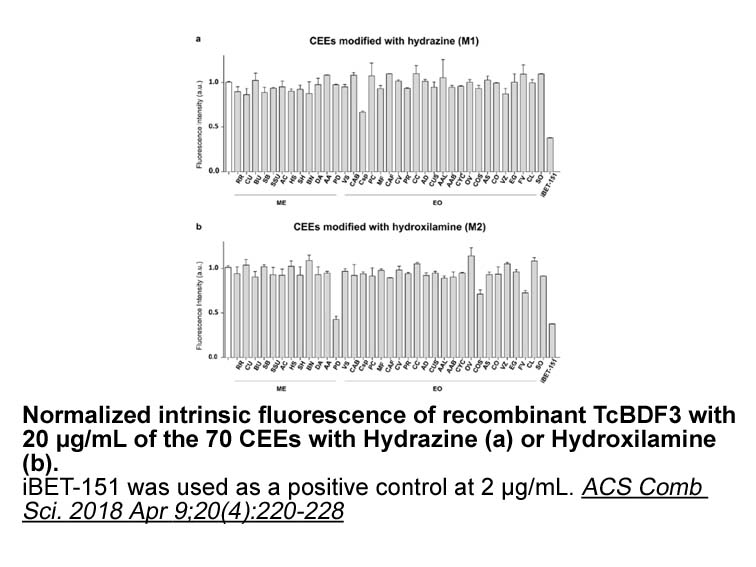
MK-3134 (3-[4-(1-cyclobutylpiperidin-4-yl)oxyphenyl]-2-methyl-5-(trifluoromethyl)quinazolin-4-one) was synthesized by Merck, as the structurally constrained analogue of MK-0249 (Nagase et al., 2008). This H3R inverse agonist has MW 457.49, seven HBA, and MLogP 4.58, with one violation in terms of dr
-
br Hippo pathway signalling The Hippo
2022-01-03

Hippo pathway signalling The Hippo pathway is an evolutionarily conserved signal transduction pathway regulated by cell-cell contact, cell polarity, mechanical cues, ligands of G-protein coupled receptors, and cellular abiraterone acetate status [10]. This pathway is linked to development, cell p
-
Glutathione S transferases constitute a family of
2021-12-31
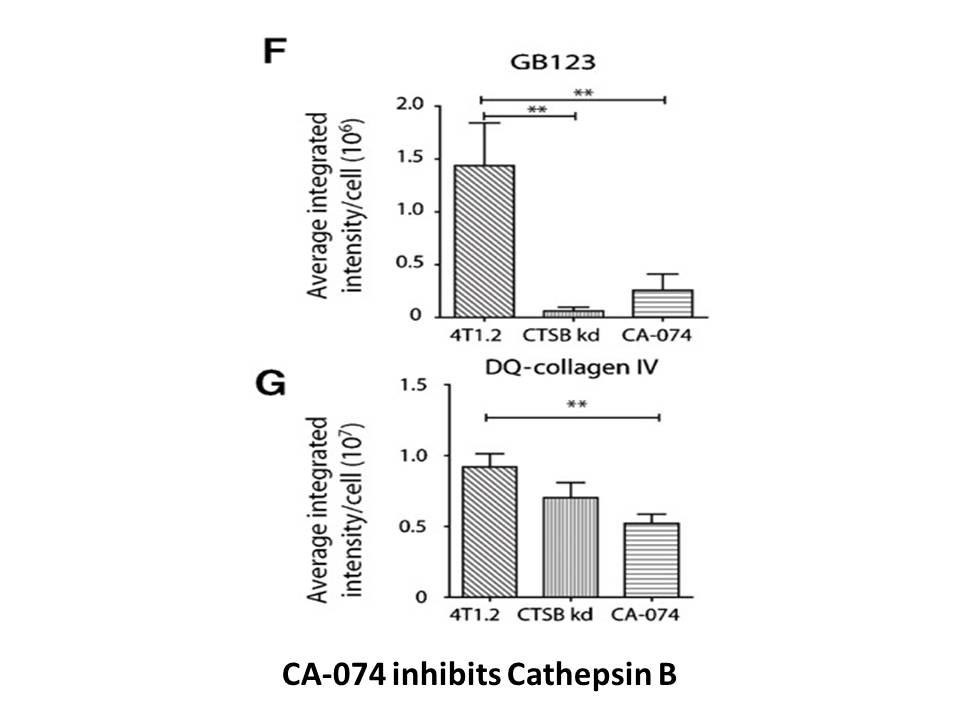
Glutathione-S-transferases constitute a family of enzymes involved in the detoxification of xenobiotics, signalling cascades and serving as ligandins or/and catalyzing the conjugation of various chemicals and drugs [53]. The present finding indicates significant increase in GST activity in the brain
-
Over the last few years experimental evidence
2021-12-31
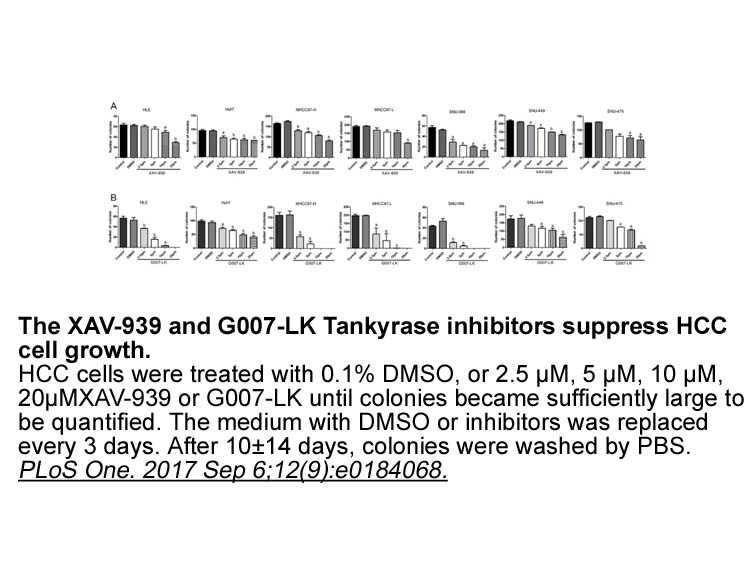
Over the last few years, experimental evidence for the involvement of Epac1 in cancer progression is beginning to emerge (Almahariq et al., 2015, Banerjee and Cheng, 2015, Parnell et al., 2015, Parnell et al., 2015, Schmidt et al., 2013). For example in melanoma cells, silencing of Epac1 attenuates
-
The experiments reported herein were designed to test whethe
2021-12-31
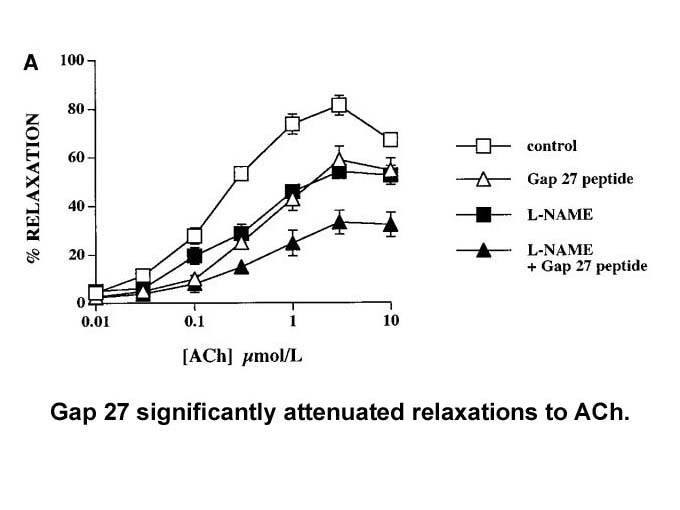
The experiments reported herein were designed to test whether co-expression of MRP and GSTP1-1 offers a level of protection from certain cytotoxic drugs not achieved by the expression of either protein alone. This was accomplished by stable transfection with expression vectors into MCF7/WT cells, w
-
As natural ligands of GPR several long chain
2021-12-31
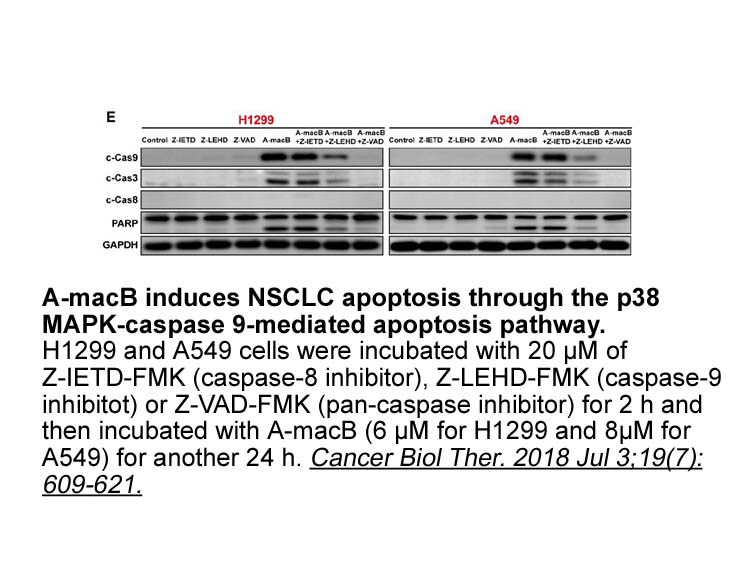
As natural ligands of GPR120, several long chain polyunsaturated fatty acids (Lc-PUFAs) have been demonstrated to modulate the 3T3-L1 adipogenic differentiation. However, the effects of the Lc-PUFAs are inconclusive. DHA is shown to inhibit, promote or even not affect the differentiation of preadipo
-
Considering the fact that OCL induced depletion
2021-12-31
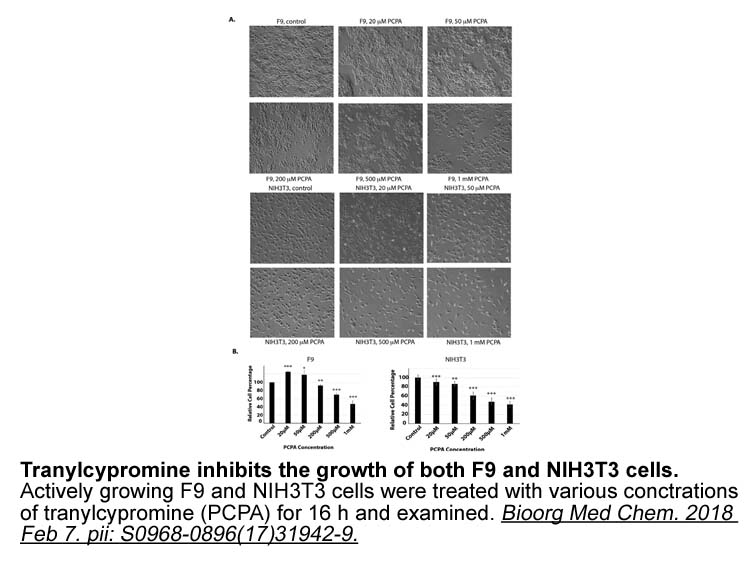
Considering the fact that OCL induced depletion of T GW-1100 in non-stimulated cultures, the only possible explanation of this effect is the elevated mortality of these cells. It was found that OCL at the higher concentration induced the apoptosis of CD4+ and CD8+ T cells. These results strongly su
-
RI-1 Transcriptional translational modulators The discovery
2021-12-31

Transcriptional/translational modulators. The discovery that β-lactam antibiotics like ceftriaxone enhance the in vivo expression of EAAT2/GLT-1 [31] has pioneered a completely new approach to EAAT modulation, with several additional EAAT activators following in its trail (Figure 2b) [32, 33, 34•, 3
-
These differences have led to the recognition that
2021-12-31
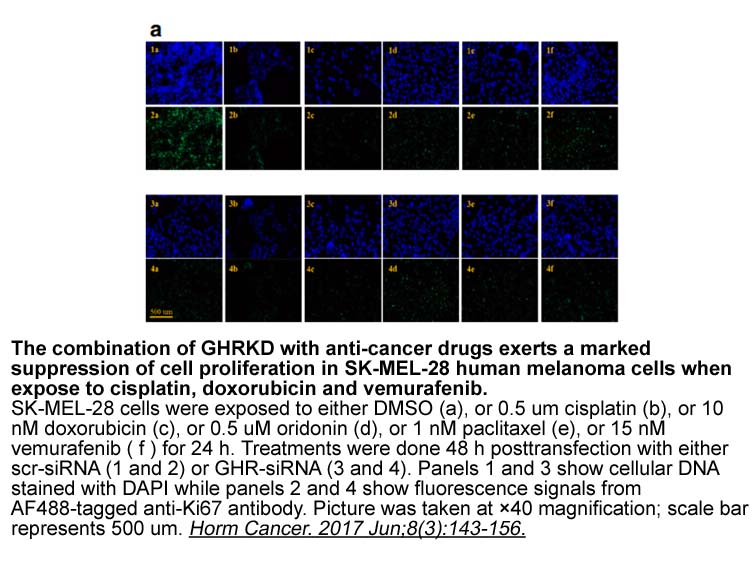
These differences have led to the recognition that the extent to which transport contributes to shaping postsynaptic signals likely reflects a balance between the density of transporters and the amount of l-glutamate in the synaptic cleft. Consequently, those synapses exhibiting the characteristics
-
Nimodipine australia Transmembrane AMPA receptor regulatory
2021-12-31
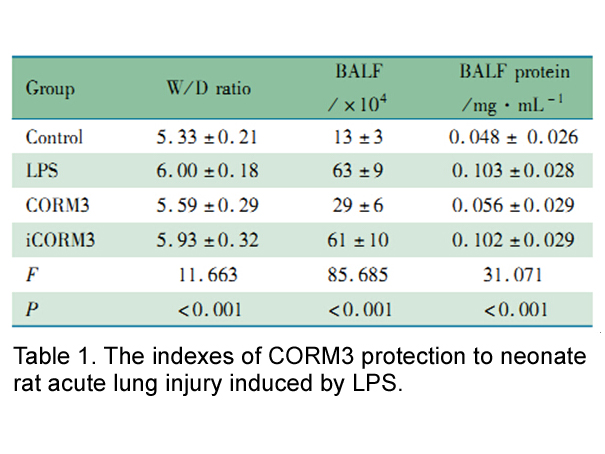
Transmembrane AMPA receptor regulatory proteins (TARPs) are a relatively newly discovered protein family. Prototypic TARP, stargazin, was found by a spontaneous mutation in ataxic stargazer mouse line as a homologous protein to γ1 calcium channel subunit (Letts et al., 1998). The role of stargazin i
-
Young et al described the role
2021-12-31
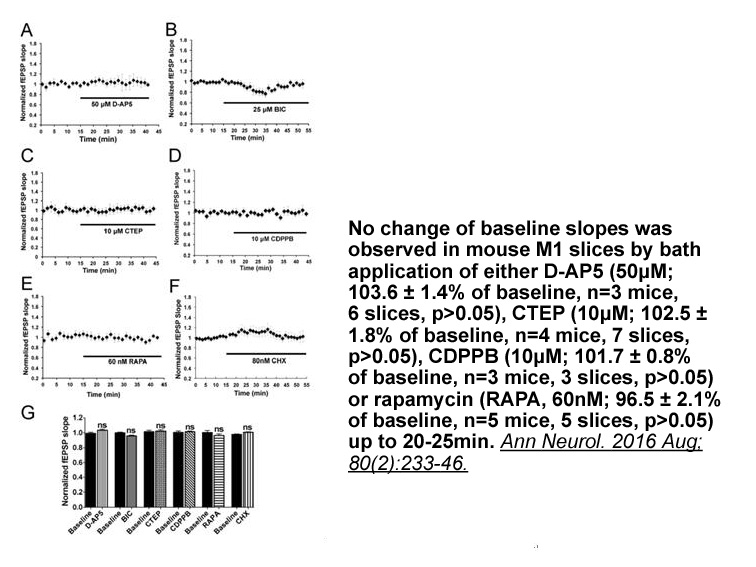
Young et al. [40] described the role of adenine monophosphate-activated protein kinase (AMPK) in the translocation of GLUT4 in the heart. The AMPK is activated during muscle contraction [74] by converting AMP to ATP. The adenosine analog, 5-aminoimidazole-4-carboxamide ribonucleotide (AICAR), is a c
-
br Role of BKCa in
2021-12-31
Role of BKCa in Cardiovascular System Perspective for BKCa Channels as Potential Target for Cardiovascular Diseases The intermediate conductance Ca-activated K+ channels (IKCa; KCa3.1, also known as SK4, IK, IKCa1, SMIK) were first discovered in erythrocytes by Gardos (1958) and then also fo
11426 records 226/762 page Previous Next First page 上5页 226227228229230 下5页 Last page